7 barrios de Tokio que la mayoría de los viajeros se pierde (y dónde alojarse en cada uno)
Shinjuku y Shibuya tienen su lugar, pero el Tokio que nuestro equipo de conserjería recomienda de verdad es más tranquilo, más antiguo y mucho más gratificante. Una guía barrio por barrio.
By Olga Lea Wesson, Travel Editor · 12 min read
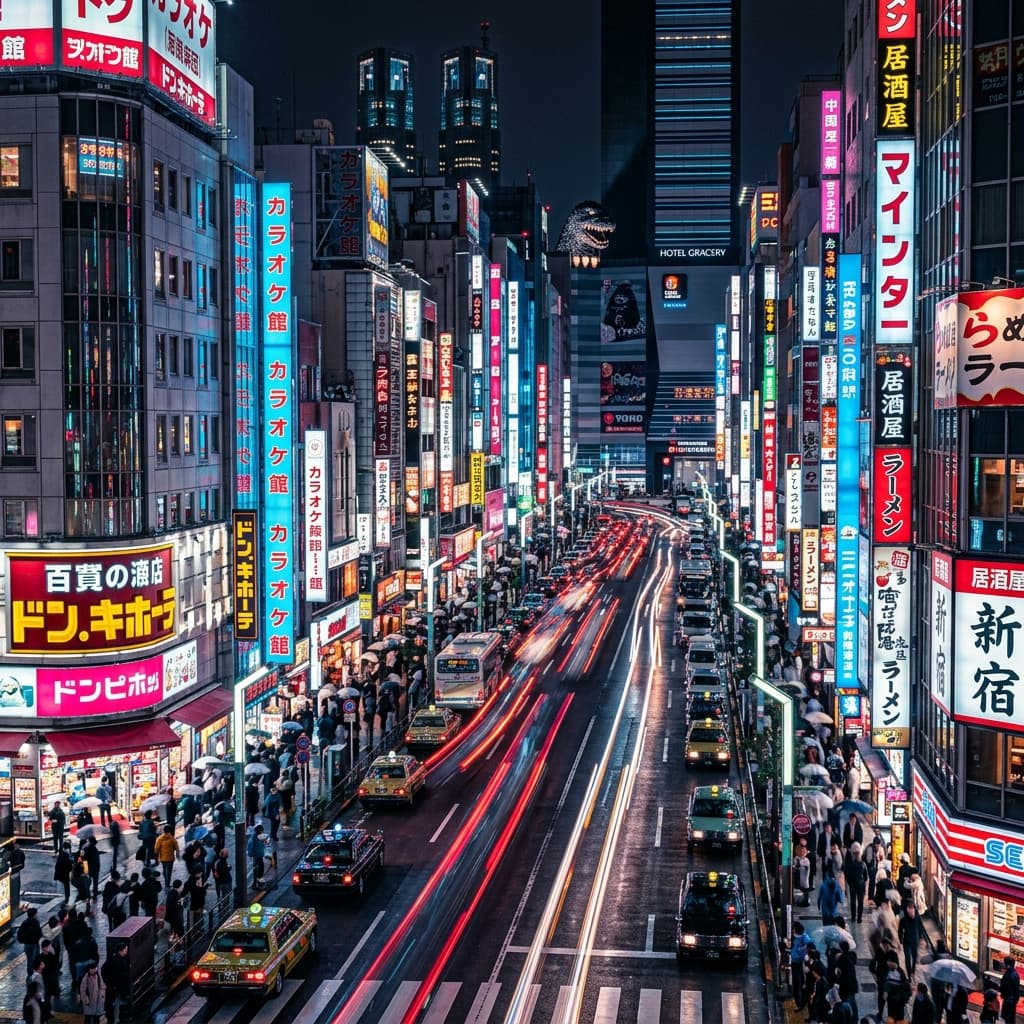
La mayoría de los viajeros que visitan Tokio por primera vez reservan en Shinjuku o Shibuya porque los buscadores los dirigen allí. Ambos están bien. Ambos también son agotadores, ruidosos y apenas te dan una idea de cómo se siente Tokio de verdad para los tokiotas.
Aquí tienes siete barrios que nuestro equipo de conserjería recomienda en su lugar, en orden aproximado según el tránsito turístico, del más tranquilo al más concurrido.
1. Yanaka. El Tokio antiguo, casi por completo anterior a la guerra. Callejones estrechos de casas de madera, un templo cada dos manzanas y una calle comercial (Yanaka Ginza) que ha resistido cada ola de modernización. El ritmo es pausado, los gatos están por todas partes y los cementerios, sobre todo el cementerio de Yanaka en temporada de flores de cerezo, son de una belleza serena. Ideal para viajeros que quieren escribir por la mañana y pasear por la tarde. Los pequeños ryokans de este barrio cuestan entre 180 y 280 $ la noche a tarifas de miembro.
2. Kagurazaka. Un antiguo distrito de geishas cerca de la estación de Iidabashi. Bistrós franceses conviven con casas de té de 200 años. Los callejones empedrados están igual que en los años veinte. Cenar aquí es un ritual: reserva con antelación, vístete bien y pasea después por las calles laterales. Alójate en el Agnes Hotel para disfrutar de un híbrido europeo-japonés de mediados de siglo que encaja a la perfección con el carácter del barrio.
3. Shimokitazawa. Tiendas vintage, teatros pequeños, tiendas de discos, café de especialidad. El centro de la cultura indie de Tokio desde hace 40 años. Más joven y bohemio que cualquier otro lugar de esta lista. Aquí no encontrarás hoteles de lujo: reserva un boutique como el MUSTARD Hotel o Trunk (House) y tómalo como base para explorar a pie y en tren.
4. Kuramae. A veces lo llaman el Brooklyn de Tokio: talleres de cuero, estudios de tipografía, café de especialidad y excelentes restaurantes pequeños a lo largo del río Sumida. A veinte minutos de casi cualquier sitio en tren, pero se siente como un pueblo. Alójate en el Nohga Hotel Ueno por su diseño y su azotea.
5. Nihonbashi. El centro original de Tokio antes de que Tokio se llamara Tokio. Alma de distrito mercantil tradicional con serias mejoras modernas: aquí se encuentra el buque insignia japonés de Mandarin Oriental, junto con algunos de los mejores restaurantes de kaiseki de la ciudad. Elegante, tranquilo y caro. Recomendado para viajeros que regresan, que ya conocen Tokio y buscan profundidad más que novedad.
6. Azabu-Juban. La zona de las embajadas, pero con la energía de los antiguos shotengai (calles comerciales) aún intacta. Panaderías con mostrador a pie de calle, tiendas de soba centenarias y una casa de baños comunitaria. Excelente para familias: seguro, transitable a pie y lo bastante cerca de Roppongi como para que salir a cenar sea fácil. El Andaz Tokyo y el Aman Tokyo están a un corto trayecto en taxi.
7. Daikanyama. El barrio que le dio a Tokio su idea de cómo debería ser un barrio. La librería Tsutaya T-Site, moda independiente, el complejo Hillside Terrace. Más elegante que Shimokita, más adulto que Shibuya. Alójate en el Trunk (Hotel) por el ambiente, o más cerca de Ebisu para algo más tranquilo.
Una nota práctica sobre todos ellos: alójate donde quieras pasar el tiempo, no donde creas que te desplazarás desde allí. Los trenes de Tokio son excelentes, pero cansan. La diferencia entre alojarse en un barrio por el que elegirías pasear y uno del que huyes cada mañana es la diferencia entre que Tokio te guste y que lo ames.
Nuestros miembros ven tarifas entre un 25 % y un 40 % por debajo del precio público en los siete barrios anteriores. La conserjería puede ayudarte a combinar hotel con itinerario, sobre todo en temporada alta, cuando reservar con antelación es lo que más importa.
Browse member rates

Travel Editor. Ukraine to New York to Miami, thirteen years in brand-building and now scouting hotels by mood. Speaks English, Ukrainian and Russian.