Tokyo Travel Guide 2025
Tokyo
Cherry blossoms, Michelin stars, and ryokans — Japan's capital rewards those who go beyond the tourist trail.
Tokyo is the world's most populous metropolis and arguably its most refined. Thirty-seven million people, more Michelin-starred restaurants than any other city on earth, ancient temples inside a modern skyline — and a hospitality culture so precise it makes everywhere else feel approximate. In 2025, Tokyo has cemented itself as the number one searched travel destination globally, driven by a weakening yen, post-pandemic pent-up demand, and a generation of travelers who discovered Japan through its food, its design, and its films.
For The Travel Club members, Tokyo is one of our strongest destinations. Member rates at luxury ryokans and city hotels run 25–40% below public pricing, and our concierge team can arrange private tea ceremonies, kaiseki dinner reservations, and Tsukiji inner market access that simply aren't bookable without a connection.
This guide will help you choose the right neighborhood, understand when to visit, and get more from Tokyo than any booking platform can offer. Tokyo rewards those who go beyond the tourist trail.
Best time
Mar–Apr / Oct–Nov
Currency
Yen (JPY)
Language
Japanese (English in hotels)
Time zone
JST (UTC+9)
Airport
Haneda (HND) · Narita (NRT)
Member rates
Shown beside the standard rate
Where to stay
Shinjuku
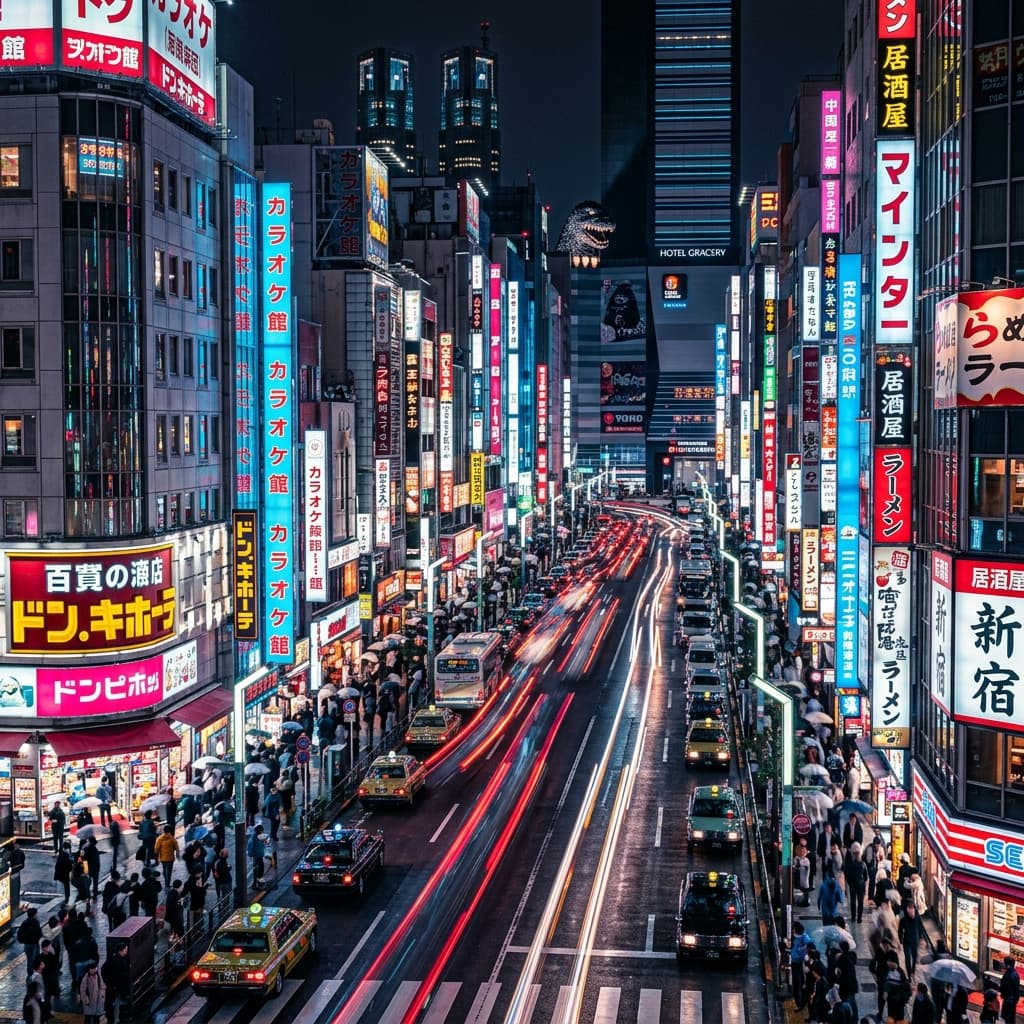
Neon, energy, everything at onceThe city's nervous system. Shinjuku Station is the busiest in the world — 3.5 million passengers daily. By day: department stores, Kabukicho, the tranquil Shinjuku Gyoen garden. By night: Golden Gai's 200 tiny bars, jazz clubs, and izakayas tucked into alleys you'd never find without a local.
Ginza
Luxury, quiet confidenceTokyo's answer to the 8th arrondissement. Flagship boutiques from every major house, galleries, omakase restaurants where the tasting menu starts at ¥30,000. The architecture alone — Hermès' glass brick building, the Itoya stationery tower — is worth the walk.
Shibuya
Creative, young, kineticHome to the world-famous scramble crossing and everything that surrounds it: Shibuya 109, the rooftop platforms of Scramble Square, the trendy backstreets of Daikanyama and Nakameguro just minutes away. Where Tokyo's creative class lives, works, and eats.
Asakusa
Old Tokyo, unchangedThe neighborhood that survived modernity. Senso-ji temple, rickshaw rides, hand-pulled noodles in shops that have been open since 1870. The ryokan density here is the highest in Tokyo — traditional wooden inns where the evening kaiseki is served in your room by a kimono-clad attendant.
Roppongi
Art, nightlife, internationalThe district that never stops. Mori Art Museum sits 52 floors above a neighborhood of rooftop bars, private clubs, and the two best museums in the city. The expat crowd keeps restaurants international — great if you need a break from menus you can't read.
Member hotels in Tokyo
Browse all Tokyo hotels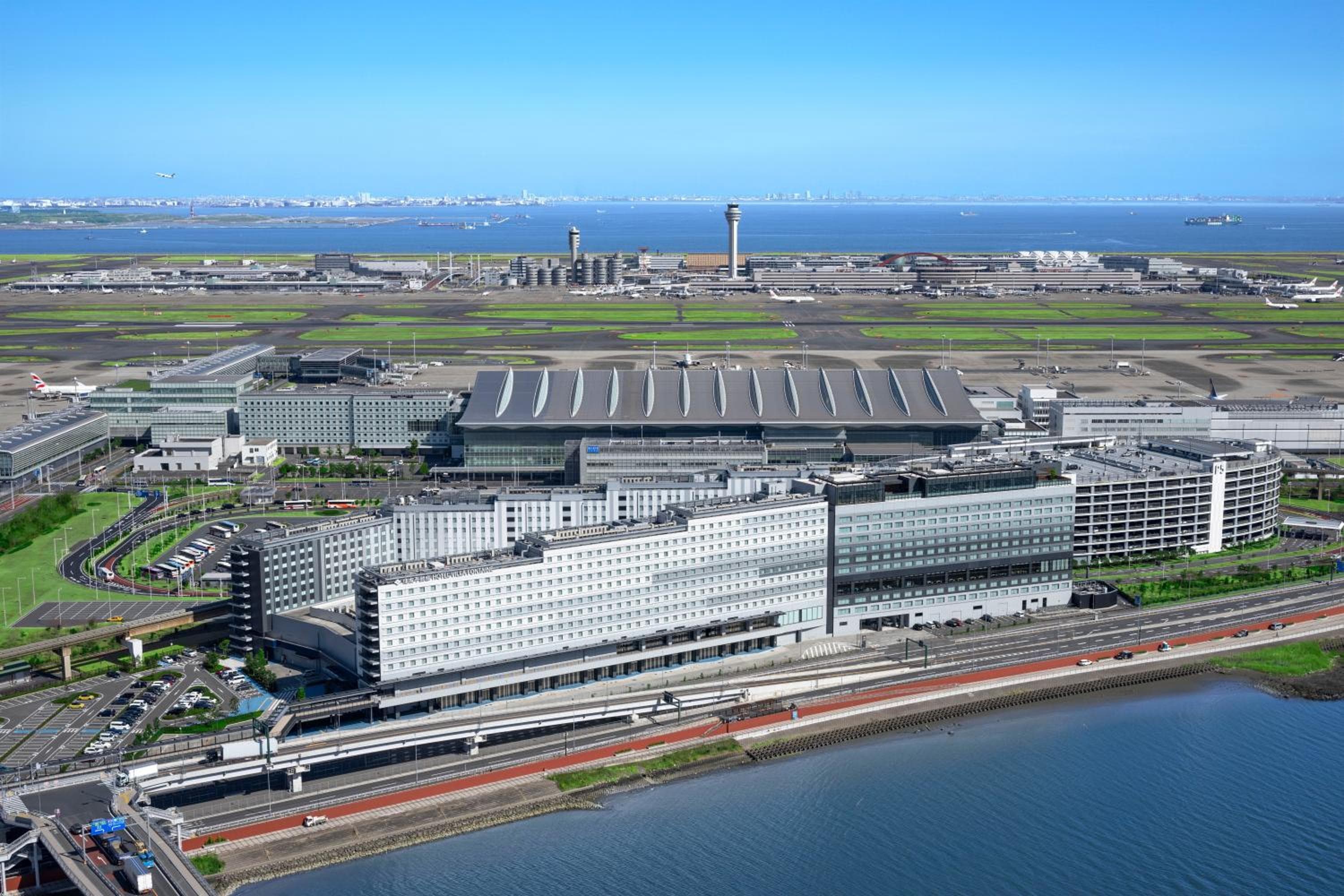
Villa Fontaine Grand Haneda Airport - Directly connected to Haneda Airport Terminal 3
Tokyo, Japan
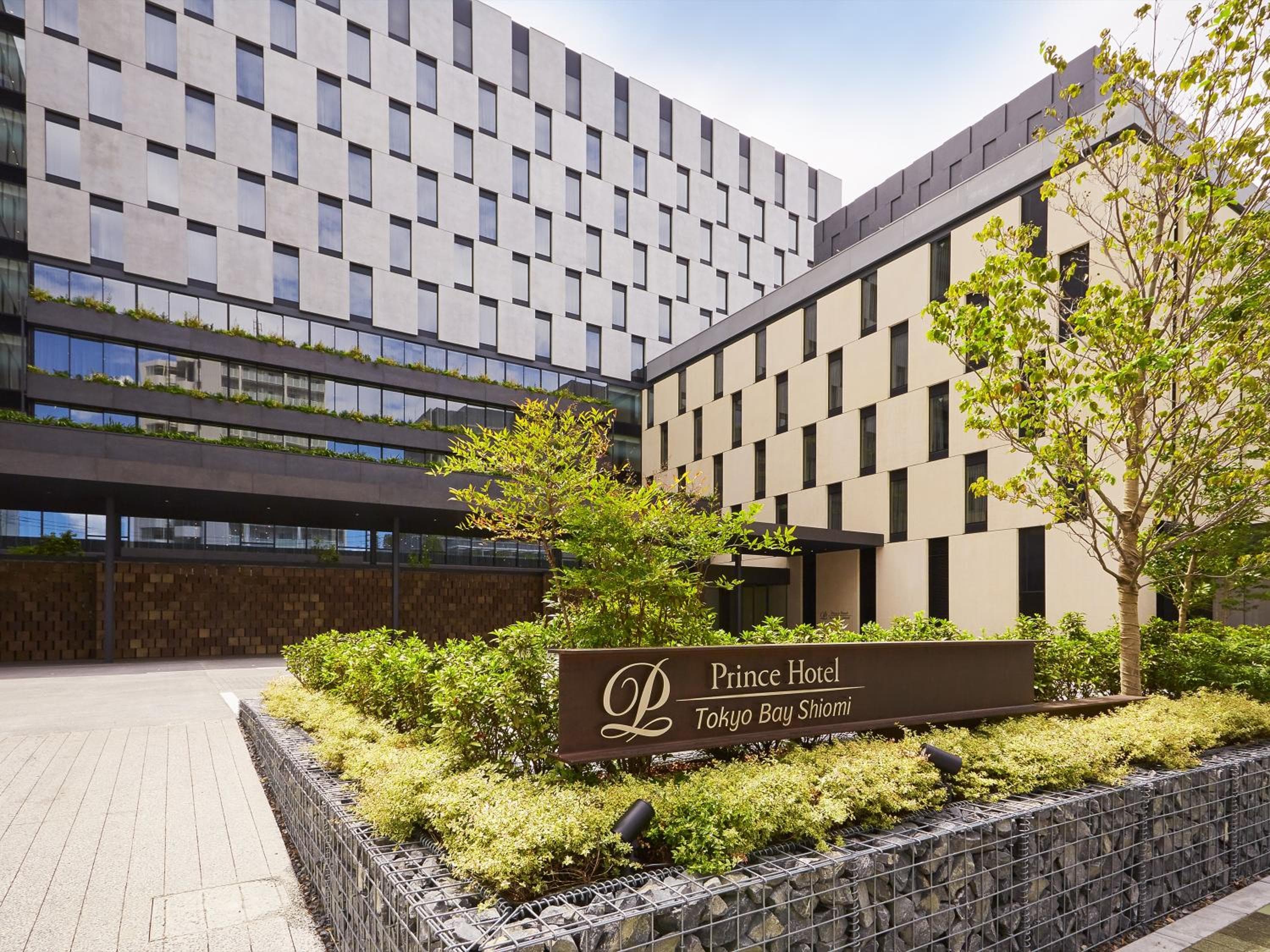
Tokyo Bay Shiomi Prince Hotel
Tokyo, Japan
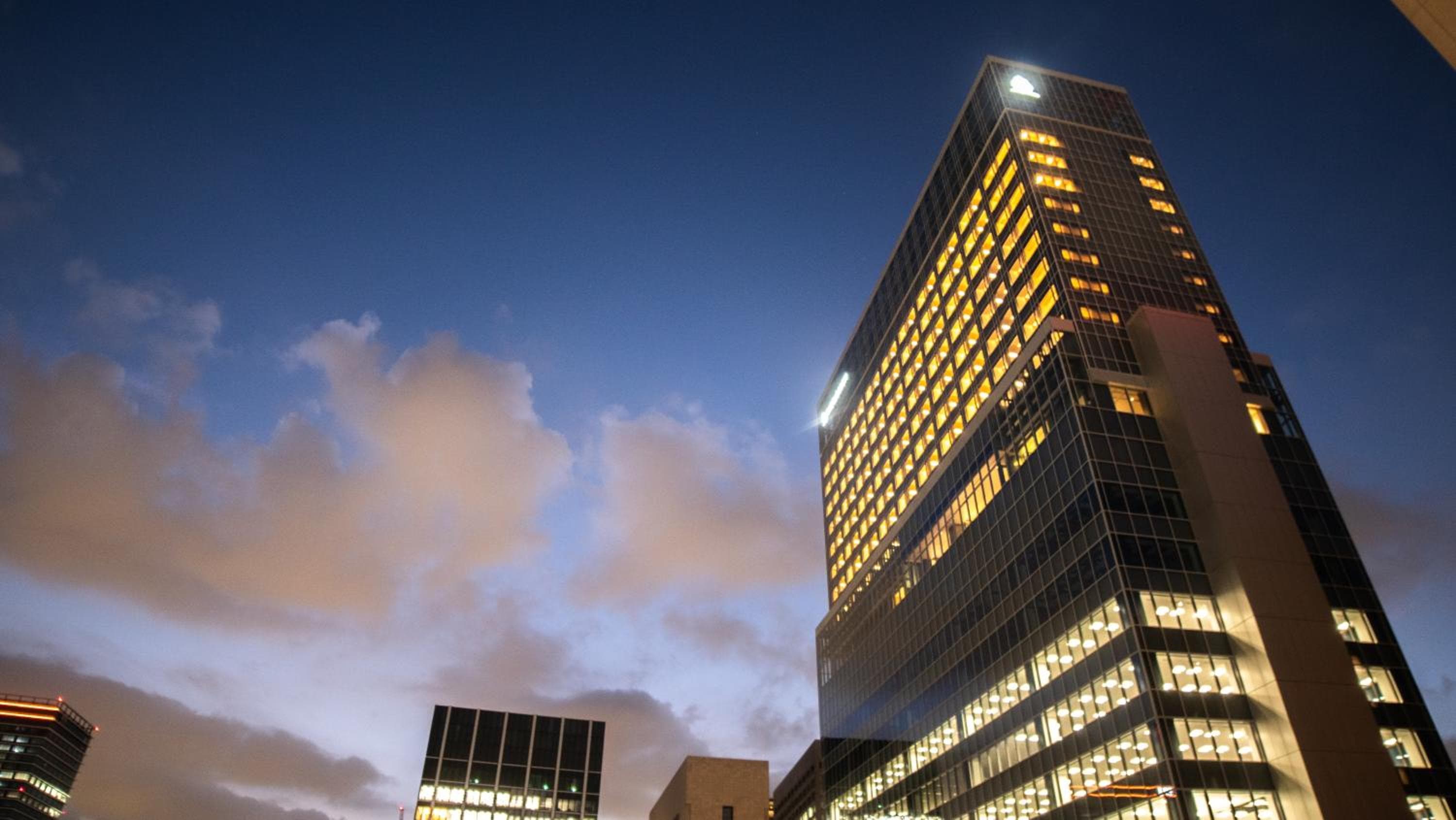
THE BLOSSOM HIBIYA
Tokyo, Japan
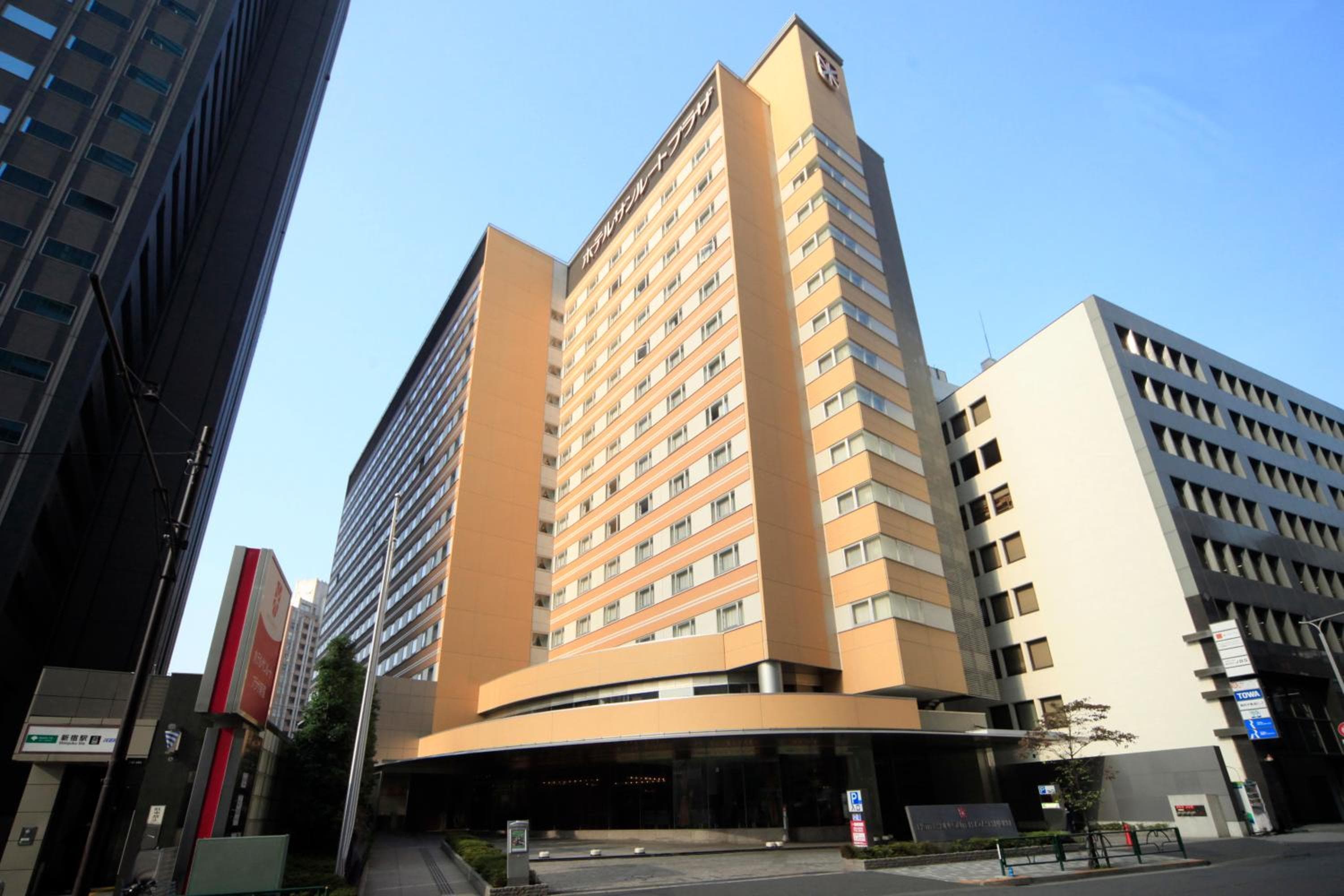
Hotel Sunroute Plaza Shinjuku
Tokyo, Japan
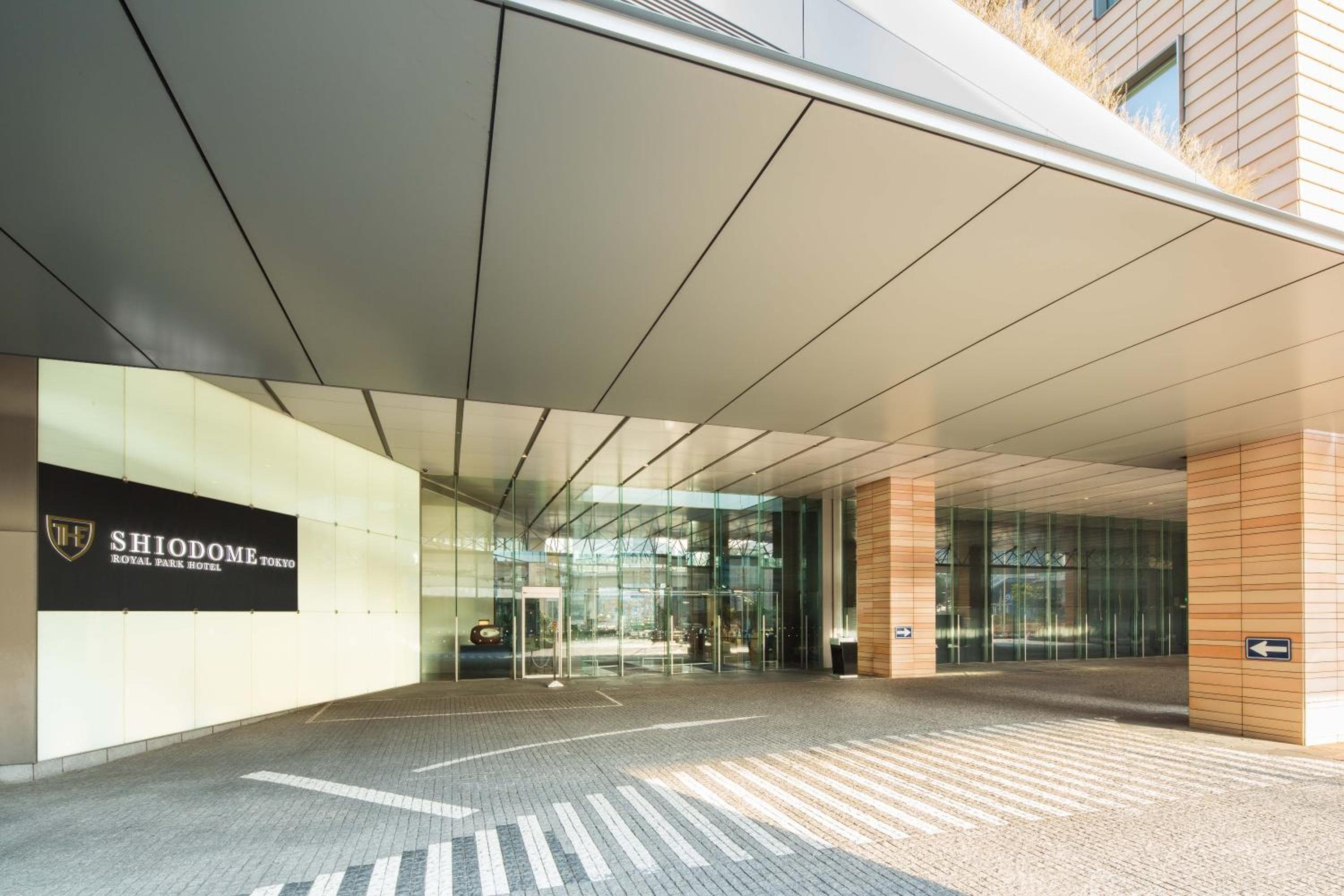
The Royal Park Hotel Iconic Tokyo Shiodome
Tokyo, Japan
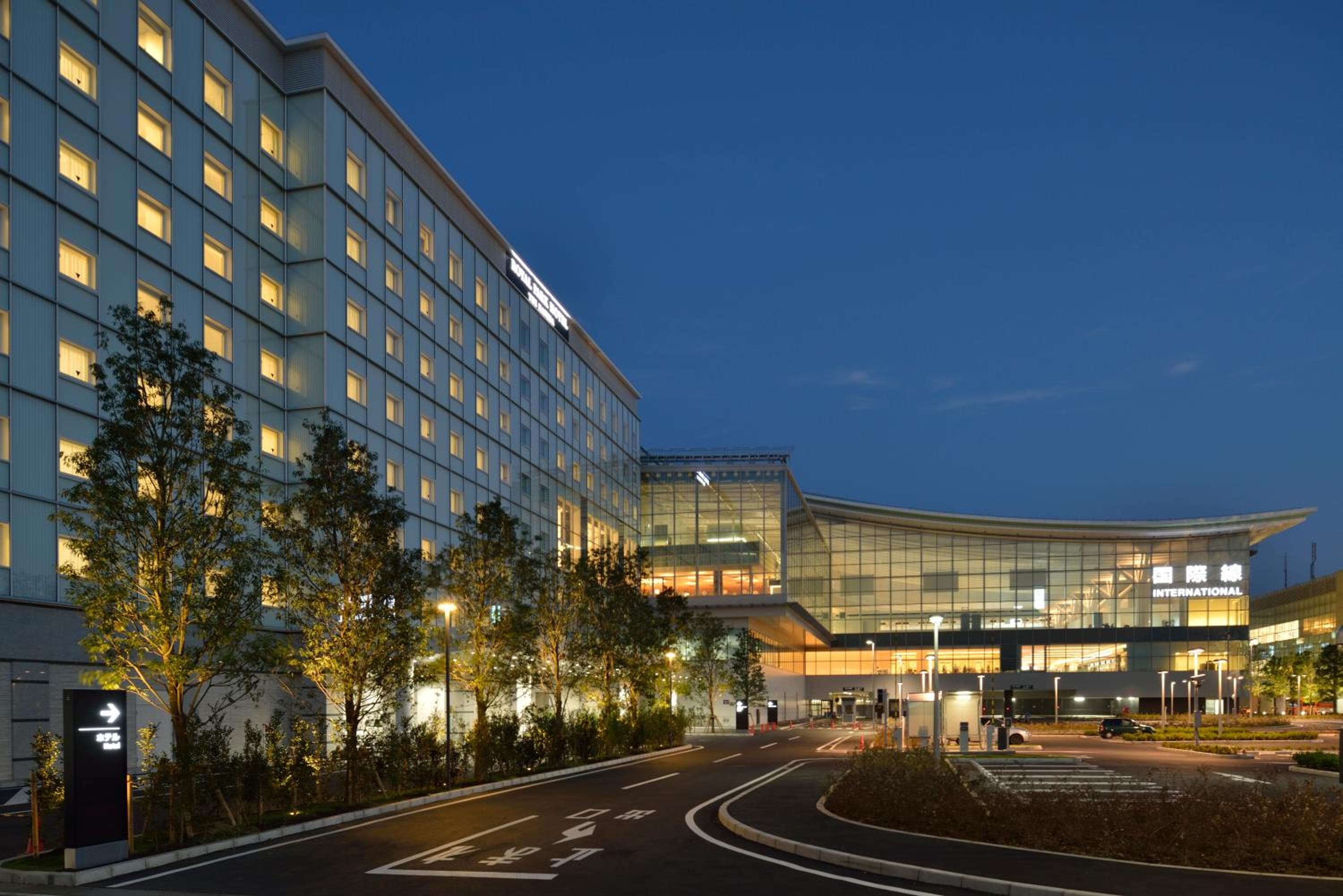
The Royal Park Hotel Tokyo Haneda Airport Terminal 3
Tokyo, Japan
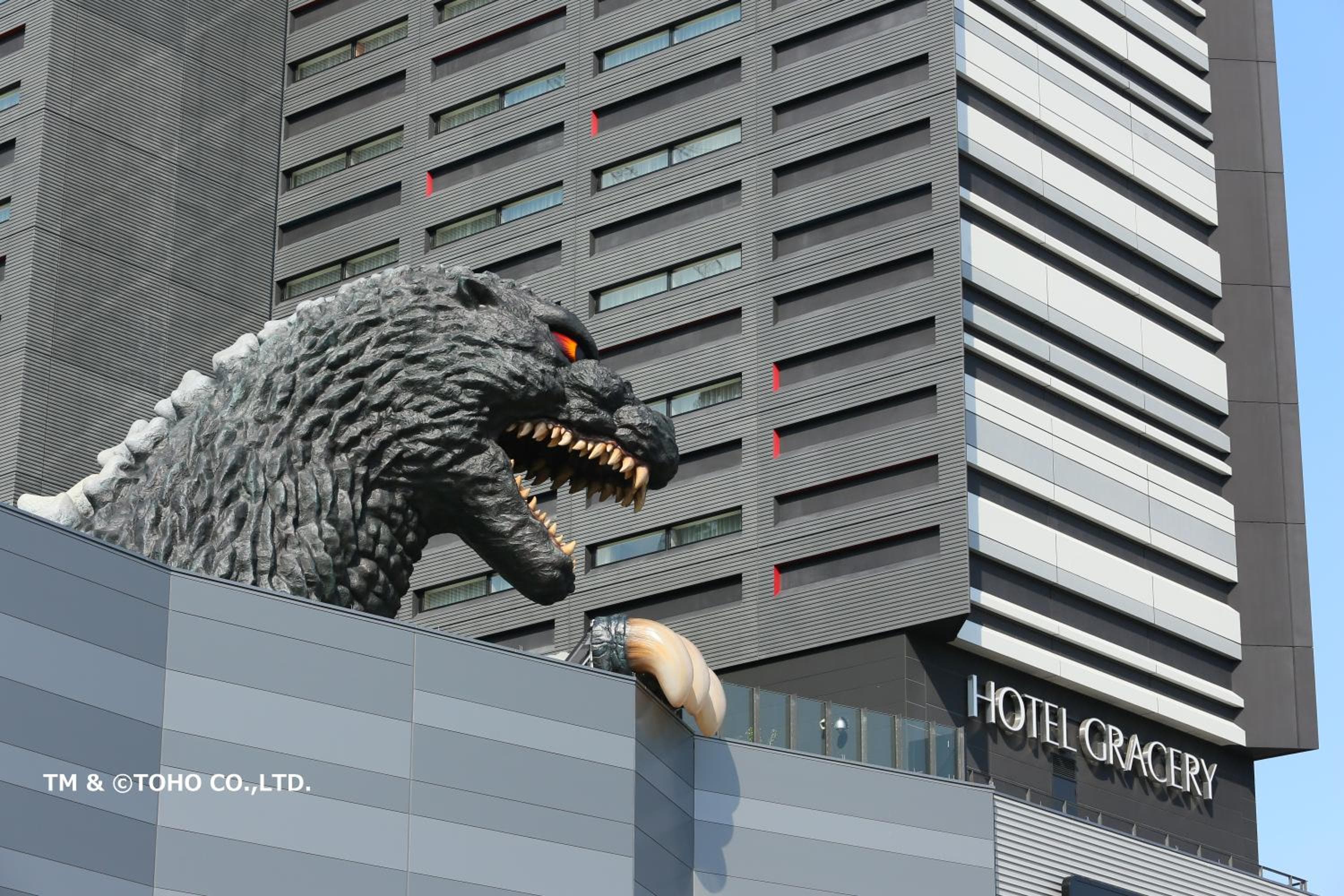
Hotel Gracery Shinjuku
Tokyo, Japan
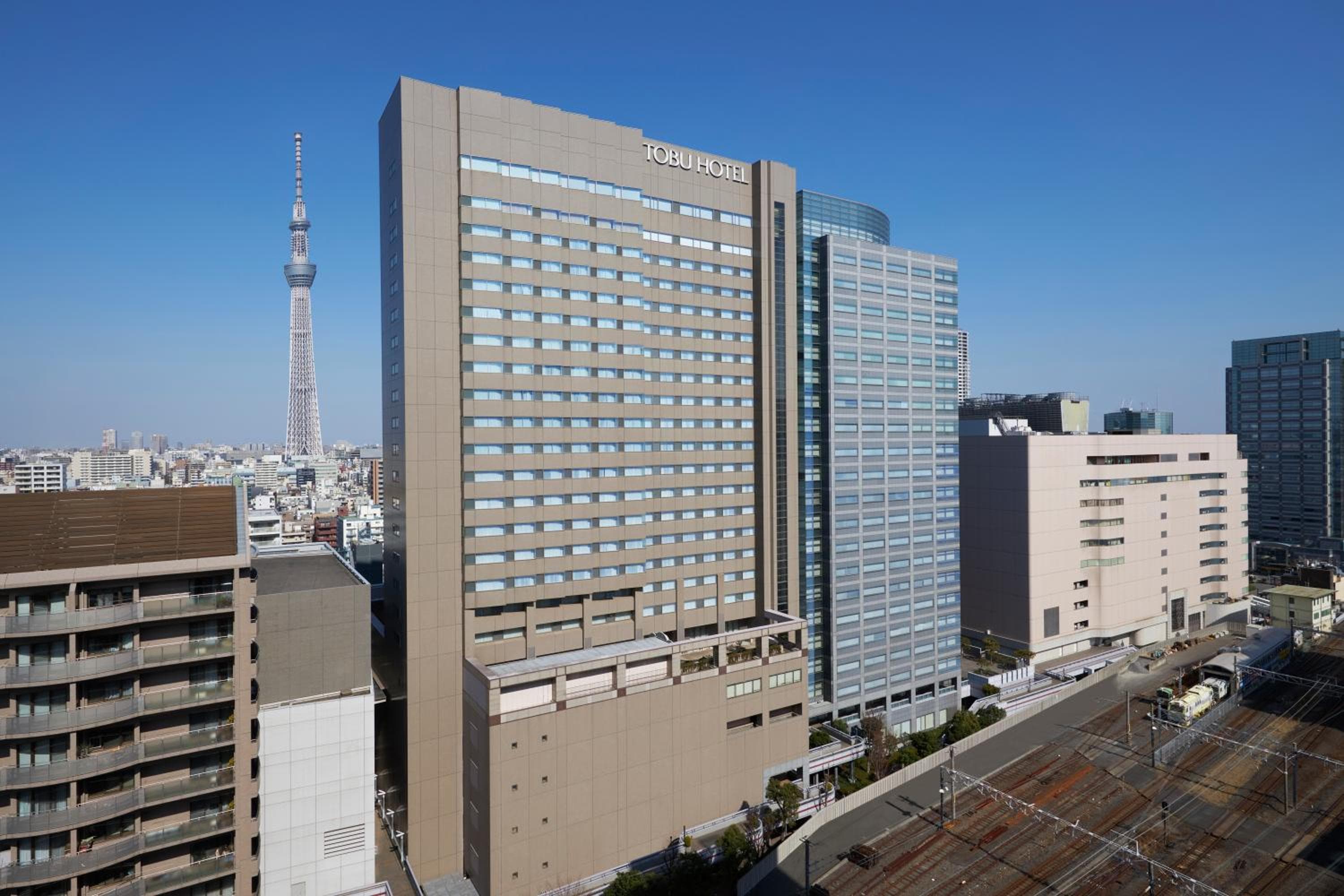
Tobu Hotel Levant Tokyo
Tokyo, Japan
When to go
March – April
10–18°C, crisp and clear
Cherry blossom season. Peak tourism — book hotels 3–4 months ahead. Worth every yen of the crowds.
May – June
18–25°C, rainy end of June
Post-blossom lull means better hotel availability. Comfortable temperatures before the summer heat.
July – September
30–35°C, humid
Hot, humid, and crowded with domestic tourists. Bearable with good air conditioning — member hotels always have it.
October – November
15–22°C, sunny
Autumn foliage rivals cherry blossom for beauty. Arguably the best time to visit. Fewer international tourists.
December – February
2–10°C, dry and clear
Winter is underrated. Illuminations, fewer crowds, and the best ramen weather. Prices drop significantly.
Insider tips
- Get a Suica IC card at any airport station — it works on all trains, buses, and even at 7-Eleven.
- Restaurants with plastic food displays in the window are almost always excellent and have no minimum spend.
- Carry cash. Many traditional restaurants and temples are cash-only — ATMs at 7-Eleven work with foreign cards.
- Book any omakase or kaiseki restaurant at least 2 weeks ahead. Our concierge can help with last-minute access.
- The JR Pass is rarely worth it for Tokyo-only visits. A Suica card with top-ups is almost always cheaper.
- Tip culture: do not tip. It's considered rude in Japan. Exceptional service is simply the baseline.
- Download Google Translate with the Japanese offline pack — camera mode reads menus and signs in real time.
FAQ
How many days do I need in Tokyo?+
Five to seven days is the sweet spot for a first visit — enough to cover the main neighborhoods without rushing. Return visitors often find two weeks isn't enough. If you're combining with Kyoto or Osaka, plan at least 3–4 days in Tokyo alone.
Is Tokyo expensive?+
Less than its reputation suggests, especially with the current yen exchange rate. Mid-range dining is genuinely affordable — a bowl of ramen from a top shop costs ¥1,200 (under $10). Luxury hotels and experiences carry full luxury prices, but Travel Club member rates bring them in line with equivalent hotels in Paris or New York.
What's the best area to stay in Tokyo?+
For first-timers: Shinjuku (great transport, everything nearby) or Shibuya (stylish, central). For luxury: Ginza or Marunouchi, near the Palace. For cultural immersion: Asakusa, where the best ryokans are concentrated.
Do I need to speak Japanese?+
No. Major hotels, tourist areas, and most restaurants have English menus or staff who can assist. Learning 10 words — arigatou gozaimasu (thank you), sumimasen (excuse me), eigo hanasemasu ka? (do you speak English?) — will be warmly received.
When exactly is cherry blossom season?+
Typically late March to early April in Tokyo, though it shifts slightly each year. The Japan Meteorological Corporation releases bloom forecasts from January. Ueno Park, Shinjuku Gyoen, and Chidorigafuchi are the best viewing spots — our concierge tracks forecast dates and books member hotels accordingly.
Can Travel Club members get into hard-to-book restaurants?+
Yes. Our Tokyo concierge team maintains relationships with several omakase chefs and kaiseki restaurants with multi-month waiting lists. Members with active bookings can request concierge assistance — availability is limited but real.